Physio & Strength — Abbotsford Ample private parking available at rear Call 03 9939 6625
The MAD InterviewsNo. 01

MiaBailey

Physiotherapist · M.Physio, B.ExSpSc · MAD Physiotherapy, Abbotsford

“I try to understand the bigger picture, not just the injury.”

In conversation14 questions6 min read
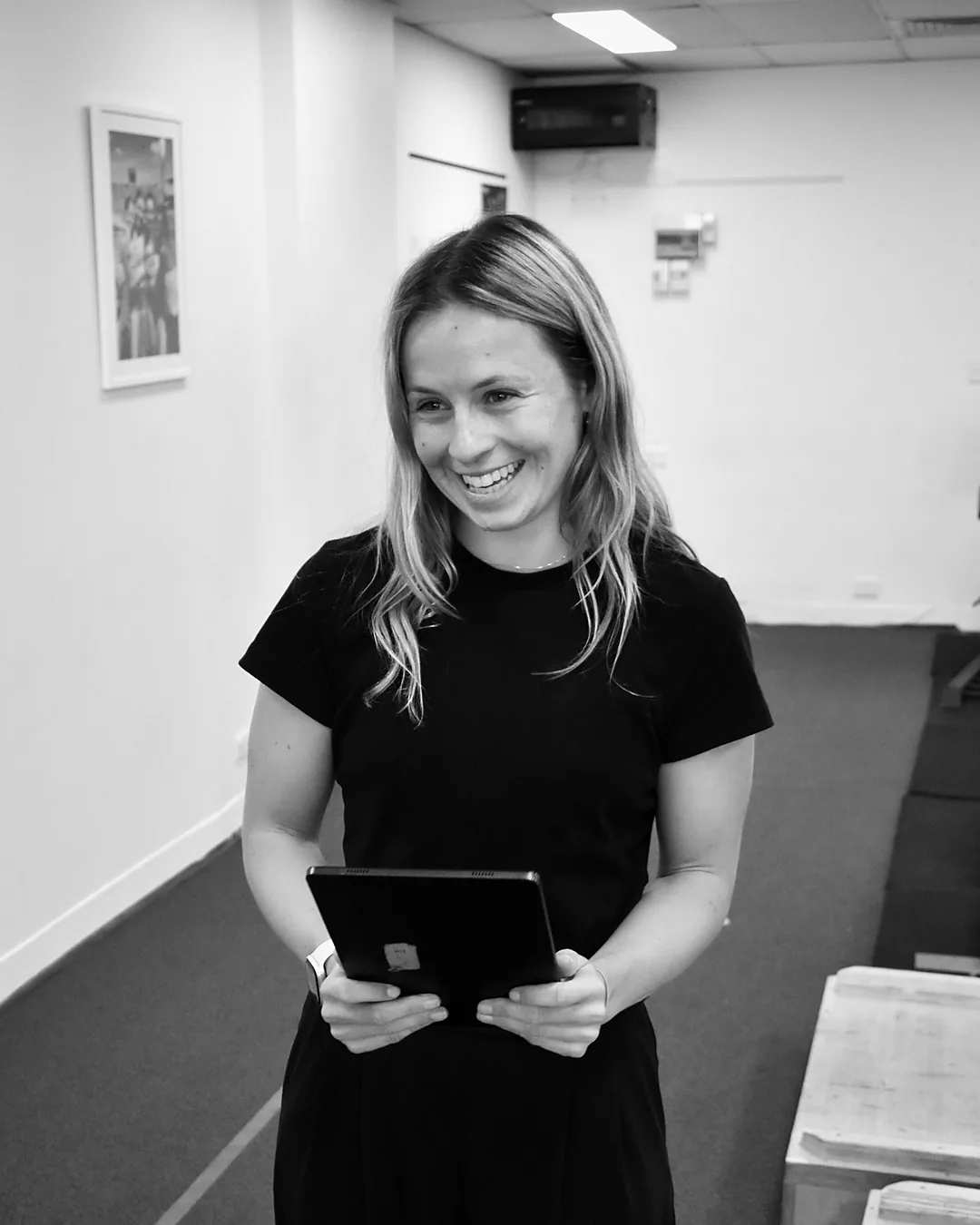
Mia Bailey smiling, holding a tablet in the MAD Physiotherapy clinic
I

Where it started

What’s your earliest memory of being curious about how the body works?

Growing up, I played a lot of netball and seemed to find myself injured quite regularly. Throughout this time, I had a fantastic female physiotherapist who I kept returning to. I was always fascinated by her approach and, in particular, how she took the time to explain not only what was injured, but why it had happened and what was going on within the body. I loved learning about how understanding the underlying cause could help prevent injuries from happening again. These experiences sparked my interest in human anatomy and the way the body works, and ultimately inspired me to pursue a career in physiotherapy.
Was there any injury, yours or someone else’s, that pulled you towards this work?

I’m a keen recreational runner, and as much as I love running, it has certainly come with its fair share of injuries! I’ve personally experienced plantar fasciitis, multiple stress fractures and a hamstring tear. Going through the rehabilitation process with each of these injuries has given me a firsthand appreciation of the physical and mental challenges that can come with being injured, particularly when it means having to step back from something you love. It’s also given me a real insight into the importance of having a good understanding of your injury, setting realistic goals and following a structured rehabilitation plan. These experiences have fuelled my passion for sports-specific rehabilitation, particularly running-related injuries. I love helping people navigate their recovery, build strength and confidence, and ultimately get back to doing the activities they enjoy, whether that’s running their next race or simply getting out for a pain-free jog.

What did uni get right, and what did it miss?

I think university provided a really valuable foundation in understanding anatomy, physiology, biomechanics and the theory behind injury and rehabilitation. However, I think there was a gap between learning the theory and knowing how to confidently apply it in a real clinical setting. I would have loved more emphasis on developing practical, hands-on skills and learning different treatment techniques, as well as a much greater focus on exercise prescription and rehabilitation programming. We touched on these areas, but I don’t think there was enough opportunity to develop the skills needed to confidently assess an injury, develop an individualised rehabilitation plan and progress someone through each stage of their recovery.

Describe the moment you felt like a “real” clinician for the first time.

I think it’s when you realise that patients trust you and value your input. It’s a really nice feeling.

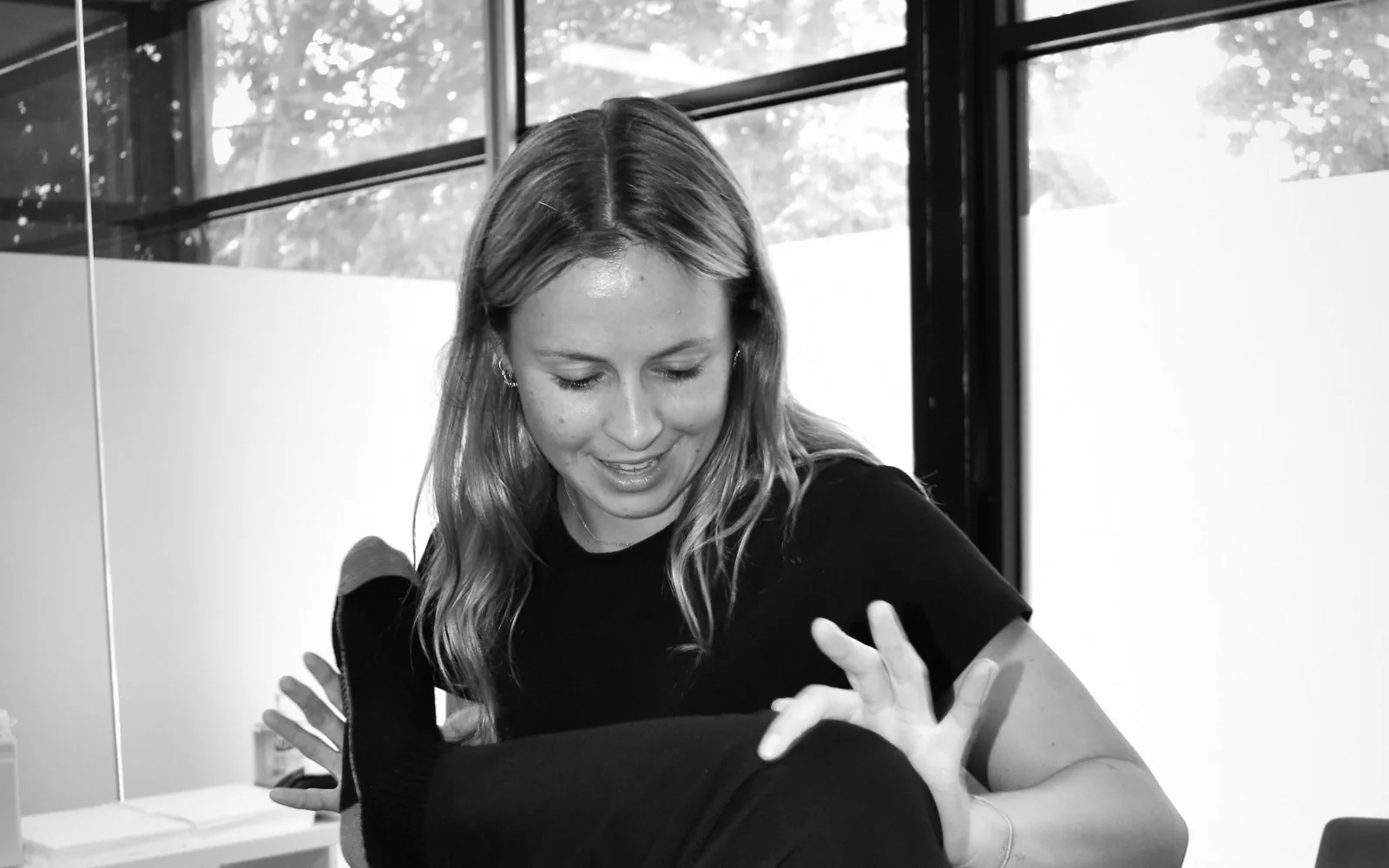
Mia Bailey during a treatment-room session at MAD Physiotherapy
II

The work

What’s kept you at MAD Physiotherapy?

Without a doubt, it’s the people. I’ve had the opportunity to learn so much from John and Jack, and working alongside them has really challenged me to keep developing as a clinician. They’ve helped take my clinical reasoning, hands-on treatment skills and rehabilitation programming to the next level, while encouraging me to continually question, learn and refine my approach.

One of the things I love most about MAD is that everyone brings something different to the table. Each clinician has their own areas of interest and expertise, which creates such a great environment to learn from one another, share ideas and collaborate as a team to give our clients the best support we can.

I also genuinely love the clientele we work with. We see so many passionate, motivated and driven people who are eager to get back to the sports and activities they love. Being able to work alongside them, help them navigate their rehabilitation and see them achieve their goals is incredibly rewarding.

If a patient shadowed you for a day, what would surprise them?

I think patients would be surprised by how much work happens behind the scenes. There’s a lot of planning and preparation that goes into each appointment, and just as much work afterwards. Between writing notes, updating programs, writing letters and planning future sessions, we actually spend a lot of time on our laptops.

What do you listen for when someone tells you their story?

I try to understand the bigger picture, not just the injury. What else is going on in their life that might be impacting their recovery? What does getting back to their normal look like for them, and how important is the timeframe? I also listen to what they want and expect from their appointments, so I can make sure I’m providing the right support and working towards goals that are important to them.

What’s something you do differently now compared to when you started?

When I first started, I think I was much more focused on the specific area of pain and treating what was directly in front of me. Now, I take a much broader approach and look further up and down the kinetic chain, considering how the whole body might be contributing to the issue. I’ve learnt to look at the bigger picture rather than just focusing on the site of pain.

What’s the most underrated skill in your job?

I think one of the most underrated skills in physiotherapy is being able to connect with people and build rapport. Obviously, having the clinical knowledge and hands-on skills is important, but being able to make someone feel comfortable and build a level of trust is just as valuable. Everyone who walks through the door is different, with their own goals, personalities and experiences with injury. I think taking the time to get to know people, understand what motivates them and make them feel heard goes a long way. I think that connection is what helps create a positive rehab experience and gets people invested in their recovery.

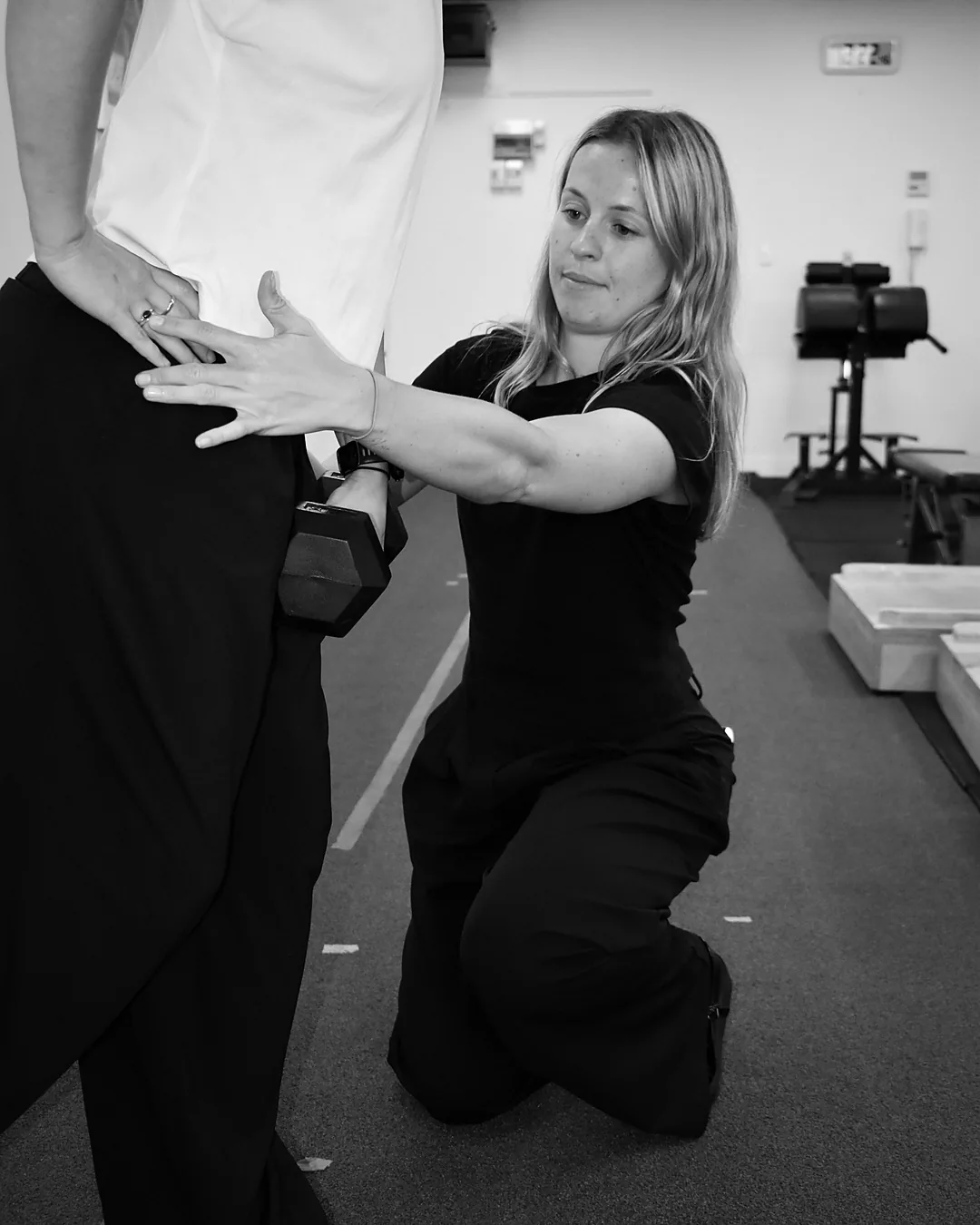
Mia Bailey kneeling beside a patient during a hands-on assessment in the clinic gym

“I care if you’re not improving, if you’re still in pain, and I genuinely want to help.”

Mia Bailey
III

Off the clock

How do you switch off after a big day?

Honestly, it depends on what time I finish work! If I have an early finish, you’ll usually find me out for a run, making the most of the sunshine. If it’s a later finish, I’ll generally head home, switch off and watch an episode or two of whatever I’m currently working my way through. At the moment, that’s The Sopranos. I’m still pretty early on, but so far I’d give it a 7/10. Good viewing, but not quite on the same level as Breaking Bad.

What are you obsessed with outside physio right now?

This is my perfect day and quite literally what I obsessively plan my weekends around: a nice little sleep-in (8am), a long run with a friend followed by coffee (skinny latte), then straight to the beach to lie in the sand and read a good book. To finish the day, Aperols in the late afternoon sun with my closest mates.

What’s a goal you’re quietly working towards?

I would love to hit a sub 3 hour marathon.

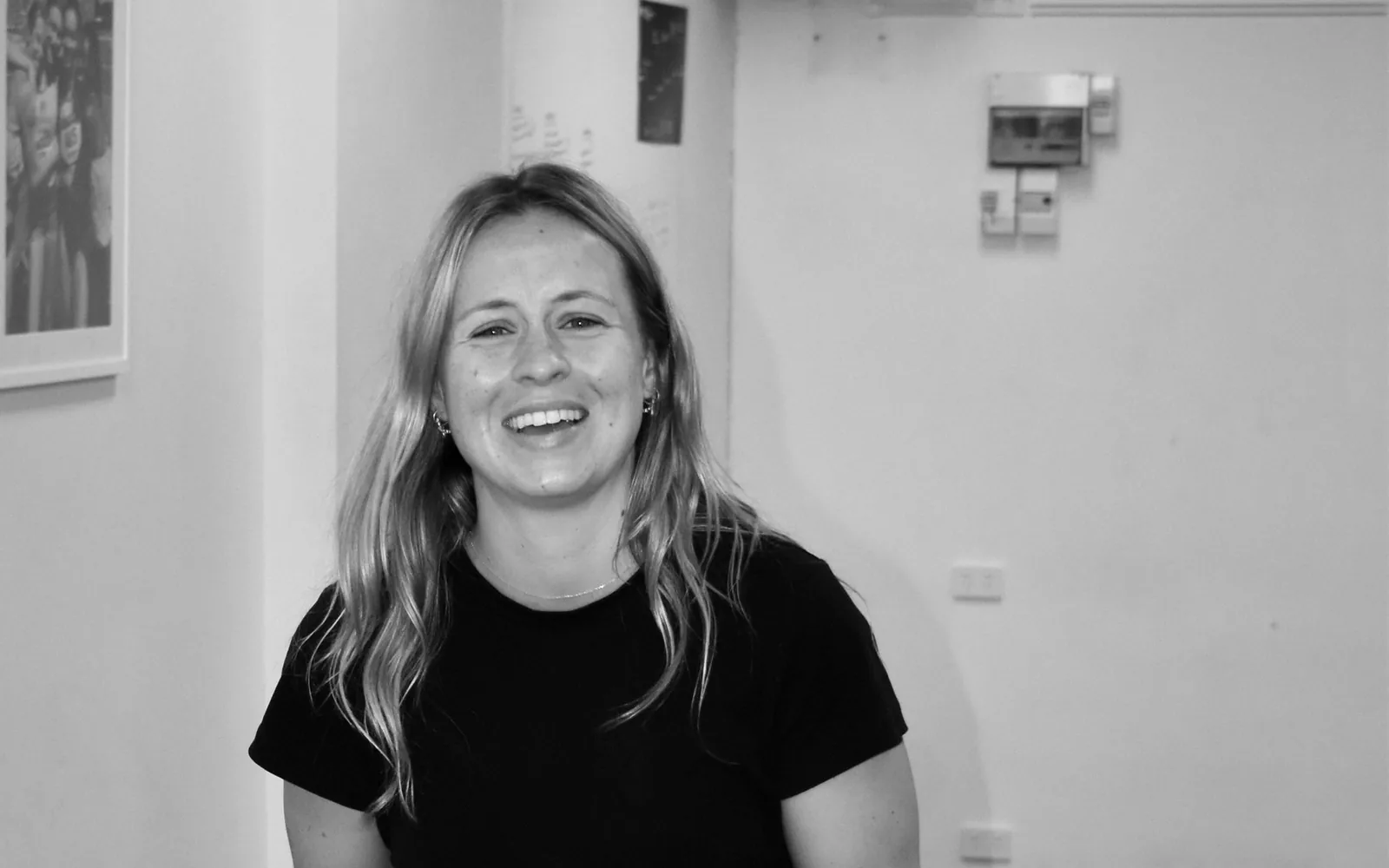
Mia Bailey laughing in the MAD Physiotherapy clinic
IV

In the room

What part of your personality shows up in the treatment room?

I’m definitely someone who loves to chat, so there’s never usually a shortage of conversation in my treatment room. But I also really care about my patients and their progress. I care if you’re not improving, if you’re still in pain, and I genuinely want to help. If things aren’t progressing, I’m invested in figuring out why and what else we can do to help.

What would you tell yourself on your first day?

I’d remind myself that you don’t need to have all the answers. The human body is complex, and you’ll never know everything. Focus on developing your clinical reasoning and learning how to investigate, assess and work through a problem. Never be afraid to ask questions or seek a second opinion. There is so much to learn from the people around you, and every experience helps you grow as a clinician.

Book with Mia

Make an appointment with Mia.

Mia sees patients at MAD Physiotherapy, 168 Hoddle St, Abbotsford.